

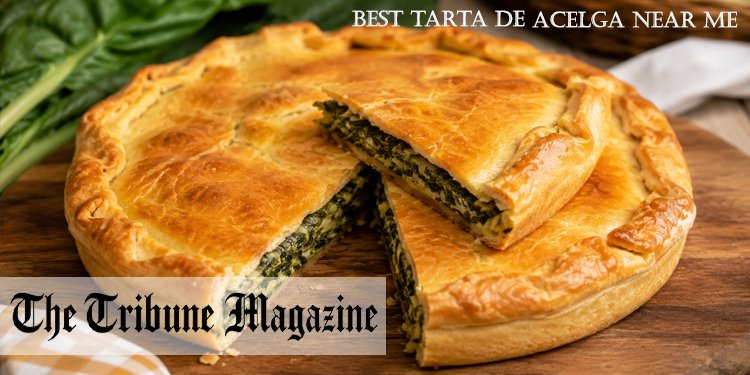
Do you ever get a sudden craving for something warm, cheesy, and full of greens? If yes, you might be thinking about tarta de acelga. This is a savory pie made with Swiss chard, and it is one of the most loved comfort foods in Argentina, Uruguay, and other Latin American countries. Many people search online for “best tarta de acelga near me” when they want a fresh slice but don’t know where to look.
This guide will help you understand what tarta de acelga is, why it is so popular, and how you can find a great one in your area. We will also share simple tips to check quality, compare it with similar dishes, and even give you ideas if you want to try making it at home. By the end of this article, you will know exactly how to search smart and find a slice that tastes just like it should.
What Is Tarta de Acelga?
Tarta de acelga is a savory pie. The word “acelga” means Swiss chard in Spanish. The pie usually has a filling made of cooked chard, onion, eggs, and cheese. This filling sits inside a pastry crust that can be flaky or soft, depending on the recipe. Some bakeries also add spinach, ricotta, mozzarella, or a bit of nutmeg for extra flavor.
This dish is very common in Argentina and Uruguay, where it belongs to a group of pies called “tartas saladas,” which means savory pies. People eat it for lunch, dinner, or even as a quick snack. It is not a fancy dish that you only eat on holidays. Instead, it is everyday food that you can pick up at your local bakery any day of the week.
The dish has roots in Italian cooking too. Many Italian families moved to South America many years ago, and they brought recipes like this with them. Over time, local cooks added their own touches, using fresh vegetables and ingredients found in their new home. This mix of Italian and South American cooking is why tarta de acelga tastes both familiar and unique.
Why Is Tarta de Acelga So Popular?
There are a few good reasons why people love this dish and keep searching for it.
It tastes comforting. The mix of soft greens, creamy cheese, and crispy pastry feels warm and homey. Many people say it reminds them of meals made by their grandmothers or other family members.
It is healthy and filling. Swiss chard is full of vitamins and minerals. When you combine it with eggs and cheese, you get a meal with good protein too. It feels lighter than a meat pie but heavier than a plain salad, which makes it a nice middle option.
It is easy to eat anywhere. A slice of tarta de acelga is simple to carry, store, and reheat. This makes it a smart choice for busy people, students, or anyone who wants a quick meal without cooking.
It has many variations. Bakers often add their own twist, using different cheeses, herbs, or extra vegetables like corn or peppers. This means you can try a few different bakeries and find slightly different flavors each time.
Why Is It Hard to Find Sometimes?
If you have searched “tarta de acelga near me” and got very few results, you are not alone. This happens for a simple reason: not every restaurant or bakery uses this exact name. The dish goes by different names depending on the country, the region, or even the specific shop.
Here are some other names you might see on a menu:
- Tarta pascualina – a very close cousin, often made with a mix of chard and eggs baked right into the filling
- Pastel de acelga – a name that is common in Peru
- Spinach pie – used often in English-speaking areas, especially if the filling uses spinach instead of chard
- Swiss chard pie – a direct English translation
- Savory vegetable tart – a general term some cafés use
- Green tart – another simple English name
Because of these different names, one bakery might call it tarta de acelga, while another calls it a spinach pie, even though the dish is almost the same. This is why searching only one exact phrase can make you miss great options nearby.
Where to Start Looking
Finding a great tarta de acelga takes a little more effort than a normal food search, but it is not hard once you know where to look.
1. Argentine and Uruguayan Bakeries
These are usually your best starting point. In many cities, Argentine bakeries sell tartas next to other classic foods like empanadas, facturas (sweet pastries), and sandwiches de miga. If a bakery already makes several savory pies every day, they likely know how to get the texture and flavor right.
2. Uruguayan Cafés and Latin American Markets
Uruguayan spots often serve the pascualina style, which usually has egg mixed right into the filling. Latin American grocery stores sometimes have a small prepared-food counter where you can find homemade-style tartas sold by the slice.
3. Italian or Mediterranean Grocery Stores
Because the dish has Italian roots, some Italian delis or Mediterranean grocery stores carry a similar pie, even if they use a different name. It is worth checking their prepared-food section.
4. Peruvian Restaurants
Since Peru has a version called “pastel de acelga,” Peruvian restaurants can be another good option, especially in cities with a strong Peruvian food scene.
5. Farmers Markets and Community Events
Some of the best tartas come from home cooks selling at farmers markets or community fundraiser tables. These are often run by local Argentine or Uruguayan groups, and the quality can be excellent because the recipes come straight from family kitchens.
Smart Search Terms to Use
Instead of only typing “best tarta de acelga near me,” try a few different searches. This will help you find bakeries that use a different name for the same dish. Some good phrases to try are:
- Tarta pascualina near me
- Argentine bakery near me
- Swiss chard pie near me
- Panadería argentina [your city name]
- Rotisería argentina near me
- Spinach ricotta pie near me
- Tartas saladas near me
Adding your neighborhood, city, or postcode to these searches will also help narrow down the results and show shops that are actually close to you.
How to Use Google Maps the Smart Way
Google Maps is very useful, but it does not always show the best result first. It ranks places based on things like distance, relevance, and how well-known the business is. This means a small, high-quality bakery might not appear at the very top, even if it makes the best tarta in your area.
Here are a few tips to get better results:
- Start with a direct search for “tarta de acelga.”
- If you get very few results, search for the type of restaurant instead, such as “Argentine bakery” or “Latin bakery.”
- Check the photos other customers have posted. This can tell you a lot about how fresh and appealing the tarta looks.
- Read recent reviews rather than old ones. Bakeries can change over time, so a review from last month is more useful than one from three years ago.
- Look at opening hours. Some bakeries only make fresh tartas at certain times of the day, so calling ahead can save you a wasted trip.
How to Judge Quality Before You Buy
Not every tarta de acelga is made the same way. Here are some simple signs that tell you if a slice is worth your money.
Look at the filling color. A fresh filling should look bright green, not dull, gray, or brown. A dull color often means the chard was cooked too long ago or stored poorly.
Check the crust. The pastry should look golden and hold its shape. If the crust looks soggy or falls apart easily, it likely means too much water was left in the filling, or the pie has been sitting out for a while.
Think about the balance of flavor. A good tarta lets you taste the chard first. The cheese, egg, and onion should support that flavor, not hide it completely. If it tastes only like cheese with no greens, it might not be a well-made version.
Ask about freshness. It is completely fine to ask the bakery staff when the tarta was made that day. Places that bake fresh batches in the morning usually offer the best flavor and texture.
Read reviews carefully. Look for words like “fresh,” “homemade,” “crispy crust,” or “well-seasoned” in customer reviews. These small details tell you more than a simple star rating.
Tarta de Acelga vs. Similar Dishes
Because so many dishes look alike, it helps to know the small differences between them.
Tarta de Acelga vs. Tarta Pascualina: Pascualina usually has whole or halved eggs baked directly into the filling, giving each slice a visible egg piece when you cut it. Tarta de acelga often mixes the egg fully into the filling instead.
Tarta de Acelga vs. Quiche: A quiche usually has a custard-like filling made with cream and a higher ratio of egg. Tarta de acelga tends to have less cream and more focus on the greens themselves, giving it a firmer, less custardy texture.
Tarta de Acelga vs. Spanakopita: Spanakopita is a Greek pastry that uses thin, crispy phyllo dough layers instead of a thicker pastry crust. Both dishes share a spinach or chard filling, but the pastry style is very different.
Knowing these differences can help you decide which dish matches what you are actually craving, especially if a menu does not clearly explain each item.
Regional Differences Around the World
Tarta de acelga is not made the exact same way everywhere. Depending on where you are, you might notice small but interesting changes.
In Argentina and Uruguay, the dish stays close to its traditional roots, often using ricotta or a soft white cheese along with eggs and onion.
In Spain, especially in regions like Catalonia, some versions add pine nuts and raisins. This gives the pie a light sweetness that mixes nicely with the earthy taste of the chard.
In Peru, the dish is often called pastel de acelga, and it may include slightly different seasoning depending on the region.
Trying a few different bakeries can actually be a fun way to explore these small regional twists, rather than settling for the very first place you find.
Tips for Ordering, Storing, and Reheating
Once you find a good bakery, here are a few extra tips to enjoy your tarta de acelga the right way.
Order a fresh slice, not one that has been sitting all day. If possible, ask when the batch was made.
Store leftovers in the fridge. Wrap the slice well so the crust does not get soggy from moisture in the air.
Reheat in the oven, not the microwave. A regular oven or a toaster oven will help the crust stay crispy. A microwave often makes the pastry soft and a little rubbery.
Eat it warm or at room temperature. Both ways are common and tasty, so you do not always need to heat it up before eating.
Can You Make Tarta de Acelga at Home?
Yes, and it is not too difficult if you enjoy cooking. A basic homemade version usually needs:
- Fresh Swiss chard, washed and chopped
- Onion, sliced thin and cooked slowly until soft
- A few eggs, beaten
- Cheese, such as ricotta, mozzarella, or a soft white cheese
- Salt, pepper, and a small pinch of nutmeg
- A pastry crust, either homemade or a good store-bought option
You cook the chard and onion first, mix them with the eggs and cheese, then pour the filling into the crust and bake until golden. Making it at home also lets you compare your own version with what you find at local bakeries, which can help you understand what a truly good one should taste like.
Final Thoughts
Searching for the best tarta de acelga near you does not have to be difficult once you know the right steps. Start by checking Argentine and Uruguayan bakeries, try different search terms beyond the exact phrase, and use Google Maps wisely by checking photos and recent reviews. Pay attention to the color of the filling, the texture of the crust, and the balance of flavors before you decide a place is worth returning to.
This humble savory pie carries a lot of history and comfort in every bite. Whether you find it at a small family bakery, a Latin American market, or you decide to bake your own at home, a good tarta de acelga is always worth the search.
Frequently Asked Questions
1. What is tarta de acelga made of? It is a savory pie made mainly with Swiss chard, onion, eggs, and cheese, all baked inside a pastry crust. Some recipes also add spinach, ricotta, or a pinch of nutmeg for extra flavor.
2. Is tarta de acelga the same as tarta pascualina? They are very similar but not exactly the same. Tarta pascualina usually has whole or sliced eggs baked directly into the filling, so you can see the egg when you cut a slice. Tarta de acelga usually mixes the egg fully into the filling instead.
3. Where can I find tarta de acelga near me? Start by looking at Argentine bakeries, Uruguayan cafés, Latin American markets, and Peruvian restaurants. You can also check Italian or Mediterranean grocery stores, since they sometimes carry a similar dish under a different name.
4. Why can’t I find tarta de acelga when I search online? Many bakeries do not use the exact phrase “tarta de acelga” on their menu or website. They might call it spinach pie, Swiss chard pie, pastel de acelga, or tarta pascualina instead. Trying different search terms will help you find more options.
5. Is tarta de acelga healthy? It can be a fairly healthy meal. Swiss chard has vitamins and minerals, and the eggs and cheese add protein. However, the pastry crust does add extra calories, so it is best enjoyed as part of a balanced diet.
6. Can I eat tarta de acelga cold? Yes, many people enjoy it at room temperature or even cold, especially as a quick lunch or snack. It is also commonly reheated in an oven if you prefer it warm.
7. What is the best way to reheat tarta de acelga? Using an oven or toaster oven is the best method because it keeps the crust crispy. A microwave can work in a hurry, but it often makes the pastry soft instead of crispy.
8. How do I know if a tarta de acelga is fresh? Look for a bright green filling, a crust that holds its shape well, and a balanced flavor where you can actually taste the chard. You can also ask the staff when the batch was made.
9. Is tarta de acelga vegetarian? Yes, in most cases it is vegetarian since the main ingredients are chard, eggs, cheese, and pastry. However, it is always smart to double-check with the bakery, since some versions may include extra ingredients like bacon or ham.
10. Can I make tarta de acelga at home if I don’t have Swiss chard? Yes, spinach is a common substitute if Swiss chard is not available. The flavor will be a little milder, but the dish will still turn out tasty and satisfying.