

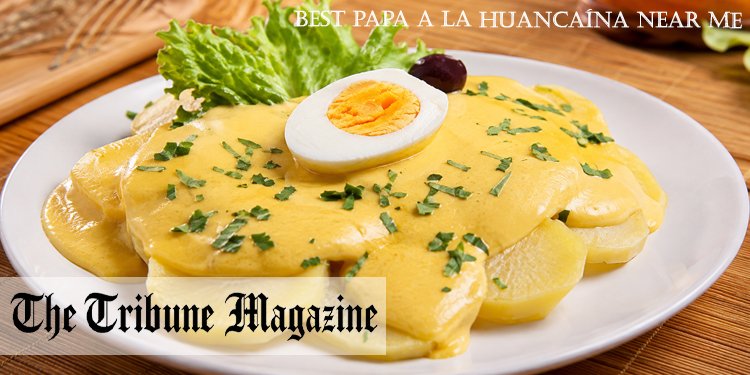
If you searched for “best papa a la huancaína near me,” you are probably hungry for one thing: creamy potatoes covered in a rich, spicy, golden sauce. This dish is one of the most loved starters in Peru. It looks simple, but the taste is full of flavor. In this article, we will explain what papa a la huancaína is, where it comes from, how to find a good version near you, and what makes one plate better than another. We will also answer the most common questions people ask about this dish.
By the end, you will know exactly what to look for the next time you search for papa a la huancaína near you.
What Is Papa a la Huancaína?
Papa a la huancaína is a cold Peruvian appetizer. It is made of boiled yellow potatoes, sliced and covered in a creamy sauce. The sauce is made from fresh cheese, ají amarillo (a Peruvian yellow chili pepper), milk, oil, and crackers or bread. Some cooks also add garlic and a little salt.
The dish is usually served cold or at room temperature. It often comes with a few classic toppings:
- Boiled egg, cut into quarters
- Black olives
- Lettuce leaves
- Sometimes white corn kernels
The taste is creamy first, then a little spicy, and finally slightly tangy. A good version should not be too runny or too thick. It should coat the potatoes smoothly, without hiding the potato flavor underneath.
According to the Wikipedia entry on the dish, papa a la huancaína uses queso fresco (fresh cheese), vegetable oil, ají amarillo, evaporated milk, and salt as its main ingredients, and the sauce is traditionally ground in a stone tool called a batán.<cite index=”19-1″>Papa a la huancaína is a Peruvian appetizer of boiled potatoes in a spicy, creamy sauce made of queso fresco and sautéed or grilled ají amarillo, red onion and garlic, traditionally ground or pounded in a batán.</cite>
Where Does This Dish Come From?
The name “huancaína” comes from Huancayo, a city in the central highlands of Peru. Even though the dish is named after this city, it is eaten all across the country today, from small family homes to fancy restaurants.
There is a popular story about how the dish was created. It says that during the building of the railway between Lima and the Andean regions, women sold potatoes with a cheese and pepper sauce to hungry railway workers near Huancayo. Over the years, this simple street food became a national favorite, and now it is one of Peru’s most famous appetizers.
<cite index=”19-1″>While the dish’s name comes from Huancayo, a city in the central Peruvian highlands nearest Lima, it has become a staple of everyday and holiday cuisine throughout the country</cite>, and it is considered one of the country’s most representative gastronomic products.
Interestingly, in the south of Peru, in cities like Cuzco, Puno, and Arequipa, people often serve a similar dish with ocopa sauce instead. Ocopa is made with toasted peanuts, fried onions, tomatoes, and ají amarillo, giving a slightly different but equally tasty result.
Why Ají Amarillo Is So Important
If you want to understand real papa a la huancaína, you need to know about ají amarillo. This is a bright yellow-orange pepper from Peru. It has a fruity smell, a mild to medium heat, and a slightly sweet taste. It is one of the most used ingredients in Peruvian cooking.
When ají amarillo is blended with cheese and milk, it creates a smooth, golden sauce with real depth. This is what gives the dish its signature color and flavor. If a restaurant uses good quality ají amarillo, or a good ají amarillo paste, the sauce will look bright yellow and taste rich, not flat or watery.
If you try a plate and the sauce tastes plain, too sweet, or artificial, it is likely missing real ají amarillo. This is one of the easiest ways to tell if a restaurant is serving an authentic version or a shortcut version made with substitute ingredients.
How to Know If You Found a Good Papa a la Huancaína
Not every restaurant makes this dish the same way. Here are simple signs that can help you know if you found a great plate:
1. The color of the sauce A good sauce has a natural golden-yellow color. It should not look pale, orange from food coloring, or too white.
2. The texture The sauce should be smooth and creamy. It should coat the potato slices evenly, without dripping off too fast or sitting like a thick paste on top.
3. The taste balance A well-made sauce should give you creaminess first, a gentle spice in the middle, and a small tangy finish at the end. It should never be too salty or too sweet.
4. Fresh potatoes The potatoes should be soft but not falling apart. Overcooked or undercooked potatoes can ruin the whole dish, even if the sauce is perfect.
5. Fresh toppings Look for a boiled egg that looks fresh, real black olives (not the canned green kind), and crisp lettuce. These small details often show how much care a kitchen puts into the dish.
6. The menu description Restaurants that mention ají amarillo, queso fresco, or “traditional recipe” on their menu usually understand and respect the authentic version of the dish.
Best Places to Look for Papa a la Huancaína Near You
There are a few good ways to search for this dish in your area:
1. Peruvian Restaurants
This is the most reliable option. Peruvian restaurants usually know how to make the sauce correctly, and they often import key ingredients like ají amarillo paste to keep the flavor authentic.
2. Latin American Fusion Restaurants
Many restaurants that serve a mix of Latin dishes also include papa a la huancaína on their menu. The quality can vary, so it helps to check reviews first.
3. Small Family-Owned Restaurants
Family-run Peruvian spots often make the dish the traditional way, passed down through generations. These places may not always have the most reviews online, but the flavor is often more authentic than at bigger chains.
4. Food Delivery Apps
Search “papa a la huancaína” directly in delivery apps and filter results by rating. Many restaurants list photos of the dish, which can help you judge the sauce color and presentation before ordering.
5. Peruvian Food Festivals and Markets
Local Peruvian cultural events sometimes have home cooks or small vendors selling homemade versions. These can be some of the most authentic options you will find, since they are often made using family recipes.
6. Online Reviews and Local Guides
Websites that list restaurant reviews can help you compare options in your city. Look for comments about the sauce being fresh, creamy, and not too spicy or bland. Directories built for restaurant discovery, similar to Restaurant Guru, list papa a la huancaína as a Peruvian appetizer made with sliced boiled yellow potatoes in a spicy creamy sauce, usually served cold with white corn, black olives, and lettuce.
What Makes One Restaurant Better Than Another
When comparing restaurants, do not only look at the star rating. Ratings can be helpful, but they do not always tell the full story. Instead, pay attention to:
- Reviews that describe the sauce texture and taste, not just “it was good”
- Photos posted by other customers, which can show the real color and portion size
- How the restaurant sources its ingredients, especially the ají amarillo
- Whether the restaurant specializes in Peruvian food, rather than offering it as one small item on a huge global menu
- How fresh the potatoes and toppings look in photos or in person
Small, specialized kitchens often put more attention into traditional dishes because it is part of their identity. Bigger, general restaurants might offer the dish, but the quality can be less consistent.
Common Peruvian Dishes Often Served With Papa a la Huancaína
Papa a la huancaína is usually eaten as a starter before a main Peruvian dish. If you find a restaurant that serves it well, there is a good chance the rest of the menu is also worth trying. Some popular dishes often paired with it include:
- Ceviche – Fresh fish or seafood cured in citrus juice
- Lomo Saltado – Stir-fried beef with onions, tomatoes, and french fries
- Arroz con Pollo – Chicken and rice cooked with herbs
- Anticuchos – Grilled meat skewers, often made from beef heart
- Seco de Cordero – A slow-cooked lamb stew
Trying these dishes together can give you a fuller picture of Peruvian cuisine, not just one appetizer.
Is Papa a la Huancaína Healthy?
Many people assume that anything creamy must be unhealthy, but papa a la huancaína does offer some real nutritional value. Potatoes are a good source of energy, fiber, potassium, and vitamin C. Ají amarillo peppers contain vitamin C and antioxidants. The cheese in the sauce adds protein and calcium.
Of course, because the sauce contains oil, milk, and cheese, it is higher in calories than a plain salad. Like most comfort foods, it is best enjoyed as part of a balanced meal rather than eaten in large amounts every day. Exact nutrition values can change depending on the recipe, the amount of oil used, and the serving size, so it is hard to give one fixed number that fits every version of the dish.
How to Order It Like a Local
If you are new to Peruvian food, here are a few simple tips for ordering papa a la huancaína with confidence:
- Ask if it is served cold or at room temperature. This is normal for the dish, so do not worry if it is not served hot.
- Ask about the spice level. Ají amarillo is usually mild to medium, but some kitchens make it spicier than others.
- Order it as a starter, not a main dish, since it is traditionally meant to open the meal.
- Pair it with a Peruvian drink, like chicha morada (a purple corn drink) or a Peruvian soda like Inca Kola, for a more complete experience.
- Ask the staff if the sauce is homemade. Many good restaurants are proud to explain how they prepare it.
Homemade vs. Restaurant Papa a la Huancaína
If you cannot find a restaurant near you that serves an authentic version, making it at home is a good option. The basic recipe only needs a few ingredients: potatoes, queso fresco, ají amarillo paste, evaporated milk, crackers or bread, and a little oil and salt. The sauce is blended until smooth and then poured over sliced boiled potatoes.
Making it at home lets you control the spice level and freshness. However, a restaurant that specializes in Peruvian food will often have access to better quality ají amarillo paste and more cooking experience with the dish, which can be hard to copy perfectly at home the first time.
Both options are valid. If you enjoy cooking, trying the recipe yourself can be a fun way to learn more about Peruvian food. If you want a fast, reliable option, a trusted local restaurant is usually the easier choice.
Final Thoughts
Finding the best papa a la huancaína near you is not only about picking the closest restaurant. It is about knowing what real, authentic huancaína sauce looks and tastes like, so you can recognize quality when you find it. Look for a rich golden sauce, fresh potatoes, real ají amarillo flavor, and classic toppings like egg, olives, and lettuce.
Whether you try it at a small family restaurant, a Peruvian food festival, or make it yourself at home, papa a la huancaína is a dish worth seeking out. It shows how a few simple ingredients, prepared with care, can turn into one of the most loved appetizers in South American cuisine.
Frequently Asked Questions
1. What is papa a la huancaína made of? It is made of boiled potatoes covered in a sauce of fresh cheese, ají amarillo pepper, milk, oil, and crackers or bread. It is often topped with boiled egg, black olives, and lettuce.
2. Is papa a la huancaína served hot or cold? It is traditionally served cold or at room temperature. This is normal for the dish, so it should not be confused with an undercooked or forgotten plate.
3. Is papa a la huancaína spicy? It has a mild to medium heat, mostly from the ají amarillo pepper. It is usually not extremely spicy, but the spice level can vary between restaurants.
4. Where does papa a la huancaína come from? It comes from Huancayo, a city in the central highlands of Peru. Although it started there, it is now eaten across the whole country and beyond.
5. What is ají amarillo, and why is it important? Ají amarillo is a yellow Peruvian chili pepper with a fruity taste and medium heat. It gives the sauce its golden color and authentic flavor. Without it, the sauce can taste flat or artificial.
6. Can I find papa a la huancaína outside of Peru? Yes. Many Peruvian restaurants and Latin fusion restaurants around the world serve this dish, especially in cities with a large Peruvian community.
7. Is papa a la huancaína good for a vegetarian diet? Yes, in most cases. The dish is usually vegetarian since it does not contain meat, though some versions may include boiled egg as a topping. Always check with the restaurant if you have specific dietary needs.
8. What should I eat with papa a la huancaína? It works well as a starter before dishes like lomo saltado, ceviche, arroz con pollo, or anticuchos. It can also be enjoyed on its own as a light snack.
9. How can I tell if a restaurant makes an authentic version? Look for a rich golden sauce color, a smooth and creamy texture, and a menu that mentions ají amarillo or “traditional recipe.” Reviews and photos from other customers can also help.
10. Can I make papa a la huancaína at home? Yes. The recipe is fairly simple and only needs a few ingredients: potatoes, queso fresco, ají amarillo paste, evaporated milk, crackers or bread, oil, and salt. It is a great dish to try if you enjoy cooking Peruvian food at home.