

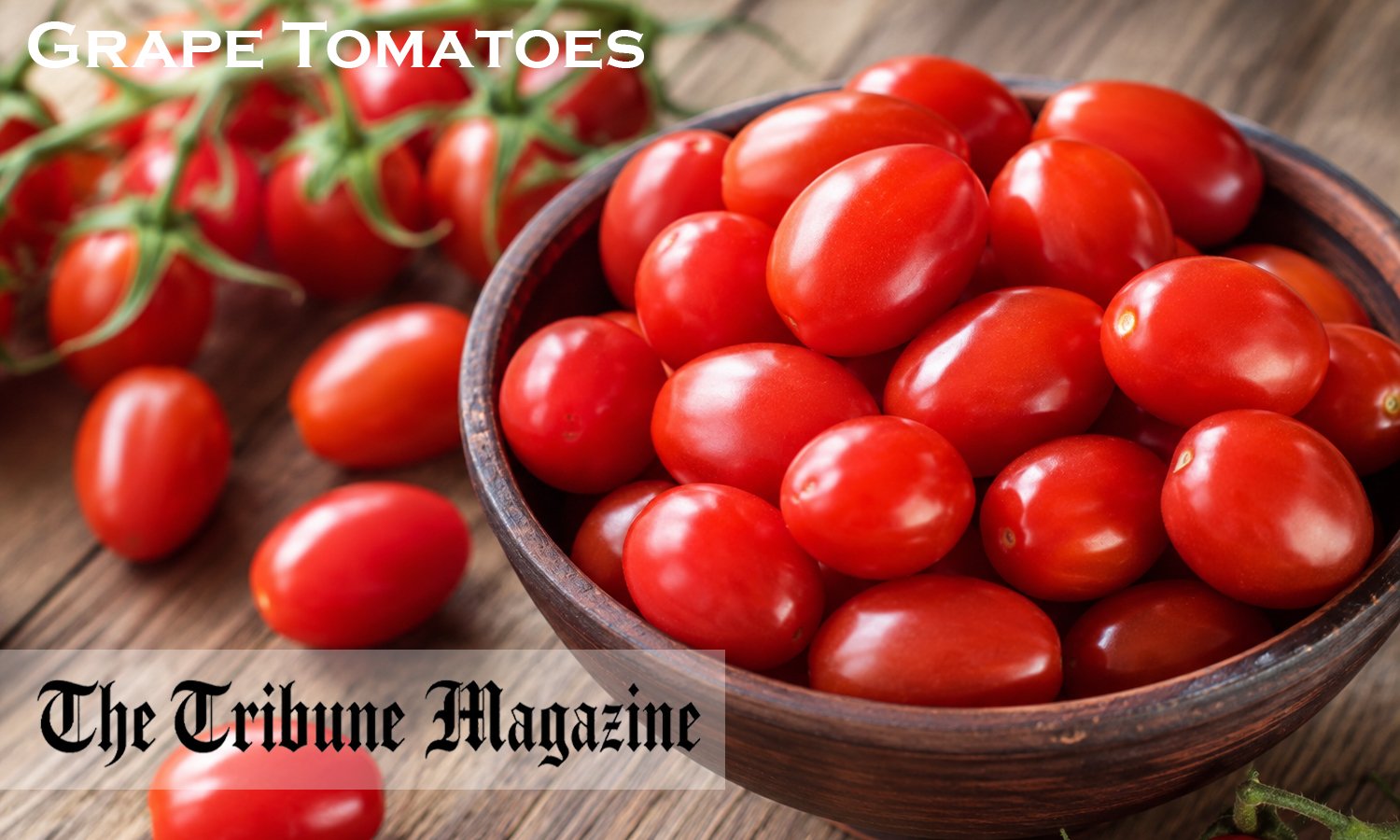
If you walk through any grocery store, you will likely see small, oval-shaped tomatoes sitting in little plastic boxes. These are grape tomatoes, and they have become one of the most popular tomato types in kitchens around the world. They are sweet, easy to eat, and simple to add to almost any meal.
What Are Grape Tomatoes?
Grape tomatoes are a small type of tomato with an oval or oblong shape. Their name comes from the fact that they look like grapes. They are smaller than plum tomatoes but have a similar shape, and they carry some of the sweetness that you find in cherry tomatoes.
This type of tomato is believed to have roots in Southeast Asia. It became widely known in the United States in the late 1990s. A grower named Andrew Chu brought seeds from Taiwan’s Known-You Seed Company and introduced a variety called “Santa F1” to the American market in 1997. A company in Philadelphia later bought the rights to sell this variety and marketed it under the brand name Santa Sweets.
Since then, grape tomatoes have grown very popular. People love them because they taste sweeter than regular tomatoes and because their small, bite-sized shape makes them easy to snack on. Today, you can find many different grape tomato varieties, including red, yellow, and even striped types with unusual colors.
Grape Tomatoes vs. Cherry Tomatoes: What Is the Difference?
Many people mix up grape tomatoes and cherry tomatoes because they look alike at first glance. Both are small and often used in the same way. But if you look closely, there are some real differences between them.
Shape and size: Cherry tomatoes are round, just like a cherry. Grape tomatoes are oval and longer, similar to the shape of a grape. Grape tomatoes are usually a bit smaller than cherry tomatoes too.
Skin and texture: Grape tomatoes have thicker skin. This gives them a firmer bite and helps them last longer before they go bad. Cherry tomatoes have thinner skin, which makes them juicier but also more likely to burst when you bite into them.
Water content: Cherry tomatoes hold more water inside. This is why they feel juicier and why they can squirt when you eat them. Grape tomatoes have less water, so their flesh feels meatier and denser.
Taste: Cherry tomatoes tend to taste sweeter overall. Grape tomatoes still taste sweet, but they also carry a slightly more balanced, savory flavor because of their lower water content.
Shelf life: Because of their thicker skin, grape tomatoes usually stay fresh longer than cherry tomatoes. This makes them a good choice if you want to buy tomatoes and keep them for a few extra days.
In cooking, both types can often be swapped for one another. Cherry tomatoes work a little better when you want to stuff them or when you want extra juiciness. Grape tomatoes work well when you want a tomato that holds its shape, such as in roasting or in dishes where you do not want too much liquid.
Nutrition Facts: What Is Inside a Grape Tomato?
One of the best things about grape tomatoes is that they are low in calories but full of good nutrients. A one-cup serving of raw grape tomatoes (about 150 grams, or roughly 10 to 15 tomatoes) contains around 27 to 30 calories. That is a very small number, especially for a food that is filling and satisfying.
Here is a simple breakdown of what you get in a typical one-cup serving:
- Calories: About 27 to 30
- Protein: Around 1 gram
- Carbohydrates: About 6 to 7 grams
- Fiber: Around 2 grams
- Sugar: About 4 grams (natural sugar, not added sugar)
- Fat: Less than 0.5 grams
- Vitamin C: About 20% of the daily value
- Vitamin A: A good source
- Potassium: A helpful amount for heart health
Grape tomatoes also contain almost no sodium and no cholesterol, which makes them a great choice for people who are watching their salt or fat intake.
Lycopene: The Star Nutrient
Grape tomatoes, like other tomatoes, are rich in a compound called lycopene. Lycopene is a natural pigment that gives tomatoes their red color. It is also a powerful antioxidant. Antioxidants help protect your cells from damage caused by unstable molecules called free radicals. Over time, this kind of damage can add up and play a role in health problems like heart disease.
Because grape tomatoes are small and often eaten with the skin still on, you get a good dose of lycopene in every bite. Some research suggests that cooking tomatoes, such as roasting them, can actually make lycopene easier for your body to absorb.
Vitamin A and Vitamin C
Vitamin A plays an important role in eye health, bone strength, and skin health. It also helps your body fight off infections. Vitamin C is well known for supporting your immune system. It also acts as an antioxidant and helps your body heal wounds. Some studies link a diet rich in vitamin C to a lower risk of heart disease.
Fiber and Digestion
Grape tomatoes offer a small but useful amount of fiber. Fiber helps keep your digestive system working smoothly. It can also help you feel full for longer, which may support healthy eating habits if you are trying to manage your weight.
A Good Fit for Low-Carb and Diabetic Diets
Because grape tomatoes are low in carbohydrates and have a low glycemic load, they can fit well into low-carb or keto eating plans. The fiber in them also helps slow down how fast sugar enters your bloodstream, which is helpful for people managing blood sugar levels. As always, portion size still matters, so it is smart to keep track of how many you eat if you are following a strict diet plan.
Health Benefits of Grape Tomatoes
Now that we know what nutrients grape tomatoes contain, let’s look at how these nutrients might help your body.
1. Support for Heart Health
Lycopene, potassium, and fiber all play a role in supporting a healthy heart. Potassium helps control blood pressure by balancing out the effects of sodium in your body. Lycopene’s antioxidant power may help protect blood vessels from damage. Together, these nutrients make grape tomatoes a heart-friendly food.
2. Better Skin Health
Vitamin A and vitamin C both play a role in keeping your skin healthy. Vitamin C helps your body make collagen, a protein that keeps skin firm and strong. Vitamin A supports skin repair and renewal.
3. Stronger Immune System
Vitamin C is one of the most well-known vitamins for supporting your immune system. Eating foods rich in vitamin C, like grape tomatoes, may help your body fight off common illnesses more easily.
4. Eye Health
Vitamin A is important for good vision, especially in low light. Along with other nutrients found in tomatoes, this vitamin supports long-term eye health.
5. Weight Management
Grape tomatoes are low in calories but high in water content and fiber. This combination can help you feel full without eating too many calories. They make a smart snack if you are trying to manage your weight, especially compared to processed snacks that are high in sugar or fat.
6. Hydration
Even though grape tomatoes have less water than cherry tomatoes, they still contain a good amount of water overall, often more than 90%. This can help support your daily hydration, especially in warm weather.
How to Choose the Best Grape Tomatoes
Picking good grape tomatoes at the store or farmers market is not hard once you know what to look for.
- Look at the color. Good grape tomatoes have bright, even color. Avoid ones that look dull or pale.
- Check the skin. The skin should be smooth and tight, not wrinkled or shriveled.
- Feel for firmness. Gently squeeze the tomato. It should feel firm, not soft or mushy.
- Avoid damage. Skip tomatoes that have cracks, bruises, or soft spots.
- Smell them if you can. Fresh tomatoes often have a light, earthy smell near the stem.
How to Store Grape Tomatoes
Storing tomatoes the right way helps keep their flavor and texture at their best.
- Room temperature: If you plan to eat them within a couple of days, keep grape tomatoes at room temperature, away from direct sunlight. This helps them keep their full flavor.
- Refrigerator: If you need to store them longer, place them in the refrigerator crisper drawer, ideally in their original plastic container or a paper bag. Cold temperatures can sometimes affect the texture, but this method helps them last longer.
- How long do they last? Grape tomatoes can usually stay fresh for up to five days. For the best taste and texture, try to eat them within the first three days.
- Washing: Always rinse grape tomatoes before eating or cooking with them. You can rinse them in a colander under cool running water, or wash them one by one. Dry them gently with a clean paper towel afterward.
How to Use Grape Tomatoes in Cooking
One of the best things about grape tomatoes is how easy they are to use. Here are some simple and popular ways to enjoy them.
Eaten Raw as a Snack
Grape tomatoes are perfect for snacking straight out of the container. They need no cutting or preparation, which makes them a quick, healthy choice when you are hungry between meals.
In Salads
Because of their small size, grape tomatoes are a favorite in salads. You can leave them whole or slice them in half to release more of their flavor and juice. They add color, sweetness, and a light crunch to any salad bowl.
On Skewers
Grape tomatoes are a common choice for skewers, whether on their own or mixed with cheese, olives, or other vegetables. Their firm texture holds up well on a skewer without falling apart.
Roasted
Roasting is one of the best ways to bring out the natural sweetness of grape tomatoes. Here is a simple method:
- Preheat your oven to around 250°F (120°C) for slow roasting, or up to 400°F (200°C) if you want a faster result.
- Spread the tomatoes in a single layer on a baking sheet.
- Drizzle a little olive oil over them and add a pinch of salt.
- Stir gently so the oil coats them evenly.
- Roast until the skins begin to split and the tomatoes turn soft and slightly caramelized. This can take anywhere from 20 minutes at higher heat to a couple of hours at lower heat.
Roasted grape tomatoes work well in pasta dishes, on top of pizza, mixed into sauces, or served on their own as a simple side dish.
In Pasta and Sauces
Grape tomatoes can replace regular tomatoes in many sauce recipes. Because they are already sweet, they can reduce the need for added sugar in a sauce. You can cook them down slowly to create a rich, simple sauce for pasta.
As a Pizza Topping
Sliced or whole grape tomatoes make a colorful and tasty pizza topping. Their firm texture means they do not release too much extra liquid, which helps keep your pizza crust from getting soggy.
In Salsas
Chopped grape tomatoes can be used in fresh salsas. Mix them with onion, cilantro, lime juice, and a bit of chili for a quick and fresh salsa that goes well with chips or tacos.
Growing Grape Tomatoes at Home
If you enjoy gardening, grape tomatoes are a rewarding plant to grow. They are known for being productive, often giving a large harvest from just one or two plants.
Climate: Most grape tomato plants grow well in USDA zones 3 through 9. Some varieties can also do well in zone 10, though a few may not handle very cold zone 3 winters.
Plant type: Grape tomato plants can be either determinate or indeterminate. Determinate plants stay smaller and produce their fruit over a shorter period. Indeterminate plants grow larger, need staking for support, and produce fruit over a longer season.
Popular varieties: There are many grape tomato varieties to choose from, each with its own color and flavor. Some are bright red, others are golden yellow, and some even have unusual stripes. Home gardeners often choose based on flavor, disease resistance, and how well a variety grows in their local climate.
Care tips: Like most tomato plants, grape tomatoes need full sun, regular watering, and well-drained soil. Staking or caging the plants helps keep the fruit off the ground and reduces the risk of disease.
A Note on a Special Variety: Pomodorino del Piennolo
Not all grape tomatoes are the same. One interesting example is the Pomodorino del Piennolo del Vesuvio, a grape tomato grown near Mount Vesuvius in Naples, Italy. This variety has protected status under European Union rules, meaning it can only be grown in a specific area around the volcano. It shows how grape tomatoes, while common, can also have unique regional versions with their own history and reputation.
Are Grape Tomatoes Right for You?
Grape tomatoes are a simple food, but they offer real value. They are low in calories, easy to prepare, and packed with vitamins and antioxidants. Whether you eat them raw as a snack, toss them into a salad, or roast them for a warm side dish, they are a flexible ingredient that fits into almost any diet.
If you are looking for a food that is easy on your wallet, easy to store, and easy to enjoy, grape tomatoes are worth adding to your shopping list.
Frequently Asked Questions
1. What exactly is a grape tomato?
A grape tomato is a small, oval-shaped tomato that looks similar to a grape. It has a sweet taste, firm texture, and thicker skin compared to many other small tomato types.
2. Are grape tomatoes healthy?
Yes. Grape tomatoes are low in calories and rich in vitamin C, vitamin A, potassium, and lycopene. They are also low in fat and sodium, which makes them a healthy choice for most diets.
3. What is the difference between grape tomatoes and cherry tomatoes?
Grape tomatoes are oval-shaped with thicker skin and less water, while cherry tomatoes are round, juicier, and slightly sweeter. Grape tomatoes tend to last longer in storage because of their firmer skin.
4. How many calories are in grape tomatoes?
A one-cup serving of raw grape tomatoes has about 27 to 30 calories, making them one of the lowest-calorie snack options available.
5. Can I eat grape tomatoes every day?
Yes, for most people, eating grape tomatoes daily is safe and healthy. They are low in calories and full of nutrients. As with any food, it is best to eat them as part of a balanced diet.
6. How should I store grape tomatoes to keep them fresh?
Store them at room temperature away from sunlight if you plan to eat them within a couple of days. For longer storage, keep them in the refrigerator crisper drawer, and try to eat them within five days for the best flavor.
7. Can grape tomatoes be cooked, or are they only eaten raw?
Grape tomatoes can be eaten raw or cooked. They are excellent roasted, added to sauces, used in pasta dishes, or placed on top of pizza. Cooking can even help release more of their lycopene content.
8. Are grape tomatoes good for weight loss?
Grape tomatoes can support weight loss goals because they are low in calories, high in water content, and contain fiber that helps you feel full. They make a smart substitute for higher-calorie snacks.
9. Why do grape tomatoes last longer than cherry tomatoes?
Grape tomatoes have thicker skin and lower water content than cherry tomatoes. This combination helps them resist damage and spoilage, giving them a longer shelf life.
10. Can I grow grape tomatoes at home?
Yes. Grape tomato plants grow well in most home gardens, especially in USDA zones 3 through 9. They need full sun, regular watering, and well-drained soil. Many varieties are also known for producing a large amount of fruit.