

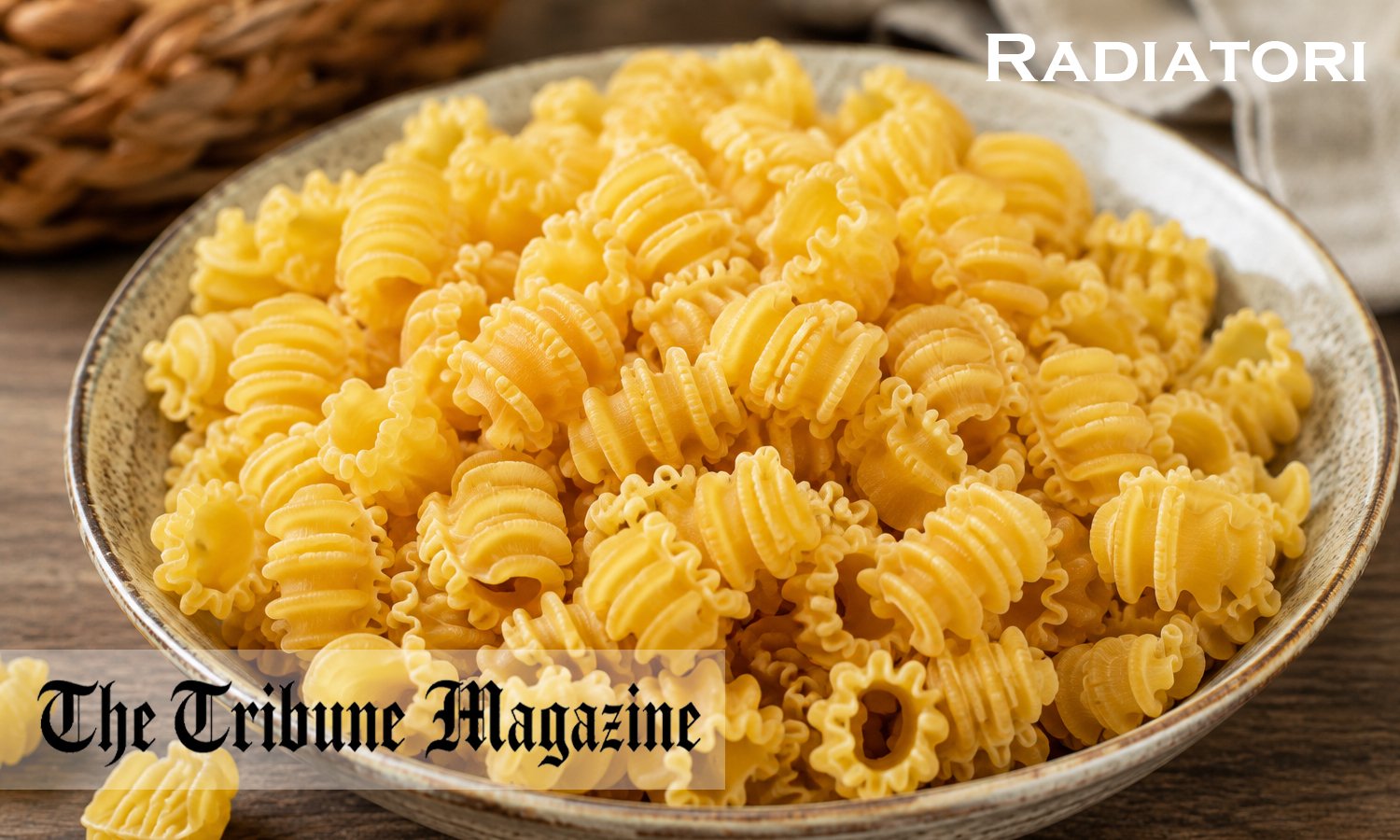
If you love Italian food, you have probably tried many pasta shapes. But have you tried radiatori pasta? This fun, ruffled pasta looks a bit like a tiny radiator, and that is exactly where its name comes from. It is not the most famous pasta shape in the world, but once you try it, you will understand why so many home cooks love it.
What Is Radiatori Pasta?
Radiatori is a short, chunky pasta shape with ruffled edges and small ridges running along its body. The name comes from the Italian word for “radiators,” because the pasta looks like the metal fins of an old-fashioned heater or a car radiator grille. Each piece is small, thick, and full of folds, which makes it perfect for catching sauce.
Unlike long pasta shapes such as spaghetti or fettuccine, radiatori is a short pasta. It belongs to the same family as pasta shapes like fusilli and rotelle. People often compare it to fusilli because of its twisted, curly look, but radiatori is generally shorter, thicker, and has a more compact, ruffled body.
This pasta is made from durum wheat semolina, which is the same strong, protein-rich flour used to make most traditional Italian pasta. Durum wheat gives pasta its firm bite, also known as “al dente” texture, and helps it hold its shape well during cooking.
Where Does Radiatori Pasta Come From?
Radiatori has an interesting history. Unlike many classic pasta shapes that go back hundreds of years, radiatori is a fairly modern invention. Most food historians agree that it was designed sometime in the 1960s, although some sources say a similar shape may have appeared between World War I and World War II.
The most common story is that an Italian industrial designer created radiatori pasta. Its shape was inspired by old heating radiators and metal grilles used in cars, including designs similar to the front grille of a Bugatti automobile. Because Italians have always loved car design, it is easy to believe that a pasta maker might have looked at a car grille and thought, “That would make a great pasta shape!”
Because radiatori pasta is relatively new, it does not have as many old, traditional family recipes as pasta shapes like tagliatelle or orecchiette. Instead, it has become popular in modern kitchens because of its fun shape and its amazing ability to hold on to thick, chunky sauces.
What Does Radiatori Pasta Look Like?
Radiatori pasta has a very distinct look. Each piece is short and squat, usually around one to two inches long. The body of the pasta has a straight “pipe” shape in the middle, with curved, ruffled fins that circle around it, just like the fins on a real radiator.
These ruffles are not just for looks. They create small pockets and hollow spaces all over the pasta. When you cook radiatori and mix it with sauce, these tiny pockets fill up with flavor. That is why many people say radiatori pasta tastes better than smoother pasta shapes, even when you use the same sauce.
Some pasta lovers also call radiatori “pagoda pasta” because its ruffled shape can remind people of the layered roofs seen on pagoda buildings in Asia.
Why Is the Shape of Radiatori So Good for Sauce?
The main reason people love radiatori pasta is its shape. Food experts often talk about how pasta shape affects how well a sauce sticks to it. Smooth, simple shapes like plain macaroni do not hold much sauce. But radiatori, with its ruffles, ridges, and folds, has a much bigger surface area.
A bigger surface area means more space for sauce to stick to. The ridges also trap small bits of food, like chopped garlic, herbs, vegetables, or ground meat, right inside the folds of the pasta. This means every bite of radiatori pasta is full of flavor, not just plain pasta with sauce on top.
This is especially true for thicker sauces. Chunky tomato sauces, creamy cheese sauces, and meat-based sauces like Bolognese all work beautifully with radiatori. Thin, watery sauces are less exciting with this pasta shape, because there is not much for a thin sauce to hold on to.
How Is Radiatori Pasta Made?
Traditional Italian radiatori pasta is made using durum wheat semolina and water. Durum wheat is a very hard type of wheat with a high protein and gluten content, which makes it perfect for shaping pasta that holds its form during cooking.
Many high-quality pasta brands use a method called “bronze-die extrusion.” This means the pasta dough is pushed through a bronze mold, called a die, to create its shape. Bronze dies give pasta a slightly rough, textured surface, instead of a smooth, shiny one. This rough surface helps sauce stick even better, which is another reason why bronze-cut radiatori pasta is often considered better quality than pasta made with plastic or Teflon dies.
After the pasta is shaped, it is dried slowly at a low temperature. Slow drying helps the pasta keep its flavor and nutrition, and it also helps it cook evenly.
You can also make radiatori pasta at home using a pasta extruder or a special pasta cutter, although this shape can be tricky to make by hand because of its detailed ruffles.
Radiatori Pasta Nutrition Facts
Radiatori pasta made from durum wheat semolina has a nutrition profile similar to most other dried Italian pasta shapes. While exact numbers can vary a little between brands, here is a general guide for cooked durum wheat pasta, based on a 100-gram serving:
| Nutrient | Amount per 100g cooked pasta |
|---|---|
| Calories | About 155 to 160 kcal |
| Protein | About 5 to 6 grams |
| Carbohydrates | About 31 grams |
| Fat | Less than 1 gram |
| Fiber | Small amount, higher in whole wheat versions |
Durum wheat pasta is a good source of energy because of its carbohydrate content. It also has a moderate amount of plant-based protein, along with small amounts of important nutrients like iron, B vitamins, and folate. These nutrients come from the wheat itself, since durum wheat semolina is naturally rich in B vitamins like thiamine and niacin.
If you are watching your carbohydrate intake, keep in mind that pasta is a carb-rich food. It is not a good fit for very low-carb diets, but it can absolutely be part of a healthy, balanced diet when you enjoy it in normal portions, along with vegetables, protein, and healthy fats.
For people who want more fiber and nutrients, whole wheat radiatori pasta is also available. It has a slightly nuttier taste and a bit more fiber than regular semolina pasta.
Best Sauces to Pair with Radiatori Pasta
One of the best things about radiatori pasta is how well it works with many different sauces. Here are some of the most popular pairings.
Tomato-based sauces: Chunky tomato sauces with garlic, onion, and olive oil are a classic match. The ridges of the pasta trap small bits of tomato and herbs in every bite.
Creamy sauces: Rich, creamy sauces made with cheese, cream, or butter work wonderfully with radiatori. The sauce gets caught inside the folds, making each bite smooth and satisfying.
Meat sauces: Thick meat sauces like Bolognese, or sauces with sausage, pair very well with this pasta. The small pieces of meat get trapped between the ruffles.
Pesto: Both classic basil pesto and other types, like walnut or pistachio pesto, cling nicely to radiatori because of its textured surface.
Cheese sauces with vegetables: A popular option is a creamy cheese sauce with spinach. The soft cheese and finely chopped spinach fill the pasta’s folds perfectly.
Roasted vegetables: Chopped roasted vegetables, like zucchini, peppers, and onions, work well too, especially when tossed with olive oil and herbs.
Because of its shape, radiatori pasta is often used instead of penne or fusilli in many recipes. It also works great in baked pasta dishes, pasta salads, soups, and casseroles.
How to Cook Radiatori Pasta the Right Way
Cooking radiatori pasta is simple, but a few small tips can help you get the best results.
- Use a large pot of water. Pasta needs room to move around while cooking, so use plenty of water.
- Salt the water well. Adding salt to the boiling water helps season the pasta from the inside, not just the outside.
- Follow the package cooking time, but check early. Radiatori usually takes around 10 to 12 minutes to cook, but this can vary by brand, so start checking a minute or two before the package time.
- Cook until al dente. This means the pasta should be firm to the bite, not soft or mushy. Al dente pasta also holds its shape better with chunky sauces.
- Save some pasta water before draining. The starchy cooking water is great for loosening thick sauces and helping them coat the pasta evenly.
- Do not rinse the pasta. Rinsing washes away the starch on the surface, which actually helps sauce stick to the pasta.
- Mix pasta and sauce together in the pan. Instead of just pouring sauce on top of plain pasta, add the drained pasta directly into the sauce and toss it together over low heat. This helps every ridge and fold get coated in flavor.
Simple Radiatori Pasta Meal Ideas
If you are looking for inspiration, here are a few simple and popular ways people enjoy radiatori pasta:
- Radiatori with spinach and creamy cheese sauce: A soft, mild cheese like a young cow’s milk cheese, mixed with chopped spinach, creates a creamy, comforting dish.
- Radiatori with sausage and tomato sauce: Italian sausage cooked with garlic, onion, and crushed tomatoes makes a hearty, filling dinner.
- Radiatori in creamy garlic parmesan sauce: A rich sauce made with garlic, cream, and parmesan cheese coats the pasta beautifully.
- Radiatori pasta salad: Cooked and cooled radiatori mixed with fresh vegetables, olive oil, and a light dressing makes a great side dish for warm days.
- Baked radiatori casserole: Just like baked penne, radiatori works wonderfully in oven-baked pasta dishes with cheese on top.
These ideas are flexible, so feel free to swap ingredients based on what you enjoy or what you already have at home.
Radiatori vs Other Similar Pasta Shapes
People sometimes confuse radiatori with other short, curly pasta shapes. Here is a quick comparison to help you understand the differences.
- Radiatori vs Fusilli: Fusilli has a spiral, corkscrew shape, while radiatori is shorter, thicker, and has ruffled edges instead of a full spiral twist.
- Radiatori vs Rotelle: Rotelle looks like small wheels, while radiatori has a more rectangular, ridged body.
- Radiatori vs Gemelli: Gemelli means “twins” in Italian and looks like two twisted strands of pasta, while radiatori has a chunkier, folded shape.
All of these shapes are good at holding sauce, but radiatori is often praised for having one of the highest sauce-to-pasta ratios because of its many small folds.
Where to Buy Radiatori Pasta
Radiatori pasta is made by several well-known Italian pasta brands, and it is sold in many grocery stores, specialty Italian markets, and online shops. If your local supermarket does not carry it, you can usually find it through online grocery stores or specialty pasta shops that focus on imported Italian products.
When choosing radiatori pasta, look for brands that use durum wheat semolina and bronze-die extrusion, since these usually offer better texture and a rougher surface for holding sauce.
How to Store Radiatori Pasta
Dried radiatori pasta should be stored in a cool, dry place, away from direct sunlight and moisture. Keep it in its original package or move it to an airtight container to keep out air and pests. When stored properly, dried pasta can last for a long time, often one to two years, although it is best enjoyed within the timeframe listed on the package.
If you have leftover cooked radiatori pasta, store it in an airtight container in the refrigerator. It is best eaten within three to four days. You can reheat it gently on the stove or in the microwave, adding a small splash of water or sauce to keep it from drying out.
Final Thoughts
Radiatori pasta may not be the most famous pasta shape, but it deserves more attention. Its fun, ruffled design is not just for looks. It plays a real role in making every bite more flavorful by holding onto sauce, herbs, and small bits of food. Whether you pair it with a chunky tomato sauce, a creamy cheese sauce, or a hearty meat ragù, radiatori pasta brings a satisfying texture and rich flavor to your table.
Next time you are at the store or shopping online, look for radiatori pasta and give it a try. It is an easy way to add something new and exciting to your regular pasta dinners.
Frequently Asked Questions
1. What is radiatori pasta made of? Radiatori pasta is usually made from durum wheat semolina and water. This type of wheat gives the pasta a firm texture and helps it hold its shape when cooked.
2. Why is it called radiatori pasta? The name “radiatori” means “radiators” in Italian. The pasta got its name because its ridged, fin-like shape looks similar to an old-fashioned heating radiator or a car radiator grille.
3. Is radiatori pasta the same as fusilli? No, they are different shapes. Fusilli has a spiral, twisted shape, while radiatori is shorter, thicker, and has small ruffles instead of a full spiral.
4. What sauce goes best with radiatori pasta? Radiatori pasta works best with thick, chunky sauces, such as tomato sauce with vegetables, creamy cheese sauces, meat sauces like Bolognese, and pesto. Its ridges trap sauce and small ingredients well.
5. How long does it take to cook radiatori pasta? Most radiatori pasta takes about 10 to 12 minutes to cook, but you should always check the package instructions and taste the pasta a minute or two early to check for the right texture.
6. Is radiatori pasta healthy? Radiatori pasta made from durum wheat can be part of a healthy, balanced diet. It provides carbohydrates for energy, a moderate amount of protein, and small amounts of B vitamins and minerals. Whole wheat versions also offer extra fiber.
7. Can I use radiatori pasta instead of penne? Yes, radiatori pasta can be used as a substitute for penne, fusilli, or other short pasta shapes in most recipes, including baked pasta dishes, salads, and soups.
8. Where does radiatori pasta come from? Radiatori pasta is Italian in origin. Most sources say it was created sometime in the 1960s, making it a fairly modern pasta shape compared to many traditional Italian pasta types.
9. Can radiatori pasta be used in cold pasta salads? Yes, radiatori pasta works very well in cold pasta salads. Its ridges hold onto dressing, herbs, and small chopped vegetables, giving every bite plenty of flavor.
10. Is radiatori pasta gluten free? Traditional radiatori pasta made from durum wheat semolina contains gluten, so it is not suitable for people with celiac disease or gluten sensitivity. However, some brands offer gluten-free versions made from rice, corn, or other gluten-free grains.